Staircase and Lift Challenges in Holloway Flats Solved
If you have ever tried to move a sofa up a tight stairwell, wait for a lift that keeps stopping on every floor, or squeeze a double mattress through a narrow Holloway hallway, you already know the problem. Flat moves in this part of London can be awkward in the best of times. Add a fourth-floor walk-up, a tiny lift, or a staircase with an awkward bend, and suddenly even a simple move becomes a bit of a production.
Staircase and lift challenges in Holloway flats solved is really about making that move feel manageable again. Not perfect. Not magically stress-free. Just properly planned, carefully executed, and a lot less chaotic than trying to wing it on the day. In our experience, the difference is rarely brute force. It is preparation, measurement, timing, and knowing how to handle the building before the furniture even leaves the van.
This guide breaks down what these challenges actually look like, why they matter, and how to deal with them in a practical way. You will also find a step-by-step approach, a realistic checklist, and the kinds of decisions that help avoid damage, delays, and that awful moment when everyone stands in the stairwell thinking, "Right then, now what?"
For readers comparing moving support, it can also help to review pricing and quotes, understand the company's health and safety approach, and check insurance and safety information before booking. That bit matters more than people think.
Table of Contents
- Why Staircase and Lift Challenges in Holloway Flats Solved Matters
- How Staircase and Lift Challenges in Holloway Flats Solved Works
- Key Benefits and Practical Advantages
- Who This Is For and When It Makes Sense
- Step-by-Step Guidance
- Expert Tips for Better Results
- Common Mistakes to Avoid
- Tools, Resources and Recommendations
- Law, Compliance, Standards, or Best Practice
- Options, Methods, or Comparison Table
- Case Study or Real-World Example
- Practical Checklist
- Conclusion
- Frequently Asked Questions
Why Staircase and Lift Challenges in Holloway Flats Solved Matters
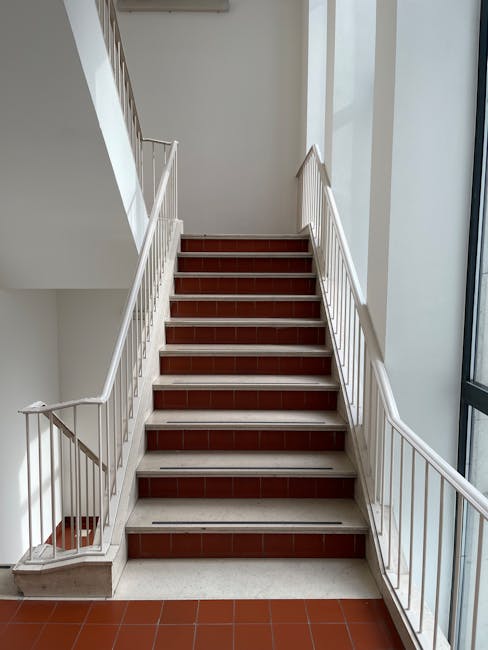
Flat moves in Holloway are often shaped by the building itself. Some blocks have narrow staircases with sharp corners. Some lifts are small, slow, or shared with neighbours and deliveries. Others have both problems at once, which is not ideal, to be fair.
Why does this matter so much? Because access issues affect almost everything about a move:
- how long loading and unloading takes
- whether furniture can fit without damage
- how many people are needed on site
- whether you need special lifting equipment
- how likely the move is to cause stress, delays, or complaints from building management
In a busy London area, time is not just money. It is access windows, parking pressure, lift bookings, neighbours waiting, and the very real risk of holding up a whole corridor while one awkward wardrobe refuses to cooperate. If you have ever heard a sofa scrape softly against paintwork in a stairwell, you will know that sound. It travels.
Solving these challenges well means the move becomes calmer for everyone involved. Residents are less disrupted. Walls are less likely to get chipped. The moving team can work safely. And you are far less likely to end the day with one half-assembled table and a sense of defeat.
It is also worth noting that a proper access plan can reduce avoidable costs. If you know the staircase is tight, or the lift has restrictions, you can plan labour and timing realistically instead of paying for guesswork. That is where preparation pays off.
How Staircase and Lift Challenges in Holloway Flats Solved Works
The basic idea is simple: assess the building, plan the route, protect the space, and move items in the safest order possible. The practical version is a little more detailed.
A good move usually starts with a pre-move access review. That means checking the building entrance, stair width, landing space, lift size, ceiling height, and any sharp turns. The most common issue is not the stairs themselves. It is the transition points: the bend halfway up, the low ceiling above a landing, or the lift doors that open wide enough but not tall enough for the item standing upright.
From there, a moving team decides which items can go by lift, which should be carried, and which may need a different approach. Some furniture can be disassembled. Some can be angled safely. A few items may need extra lifting hands or temporary protection on railings and walls. Truth be told, this is where experience shows.
The process often looks like this:
- Measure the largest items and compare them against the access route.
- Check whether the lift is usable for the move and whether it can take the weight.
- Protect walls, corners, banisters, and floor surfaces where needed.
- Decide the carrying order so the bulkiest pieces go first, while everyone is fresh.
- Move slowly through tight points, communicating clearly at every turn.
- Inspect the route and the property at the end for any issues.
A small but important detail: lift access can be changed by the time of day. In some buildings, mornings are calmer. In others, the lift gets busy when neighbours are leaving or deliveries arrive. A move that starts at 8 a.m. may run very differently from one that begins at lunchtime. Those little realities matter.
Key Benefits and Practical Advantages
When staircase and lift challenges are handled properly, the benefits are not just "less hassle." They are much more concrete than that.
- Less risk of damage: Better planning means fewer knocks, scrapes, and emergency pivots in a cramped hallway.
- Faster loading and unloading: Even if the building is awkward, a planned route saves time overall.
- Lower stress on moving day: Everyone knows the plan, so there is less hesitation.
- Better protection for the building: Shared hallways and lifts stay cleaner and safer.
- Improved safety for people: Carrying bulky furniture on stairs without a plan can be genuinely hazardous.
- Fewer neighbour complaints: Quiet, efficient work is simply easier on everyone nearby.
There is also a subtle benefit many people miss: confidence. When you know the building has been thought through, the day feels less like a scramble. You are not making decisions in the doorway with boxes at your feet and a lamp under one arm. You are following a plan. That sounds obvious, but on moving day obvious things have a funny way of disappearing.
If you want a moving team that takes access and safety seriously, it helps to review the company's about us page and its health and safety policy. Those pages usually tell you a lot about the working approach before you even pick up the phone.
Who This Is For and When It Makes Sense
This kind of support is relevant for a lot of people, not just those moving from a top-floor flat with no lift. It makes sense whenever access is tighter than a standard house move.
- people moving into or out of older mansion blocks
- tenants in converted Victorian or Edwardian buildings
- students and young professionals in compact upper-floor flats
- families with bulky items in blocks with small lifts
- landlords arranging end-of-tenancy moves
- people moving heavy appliances or awkward furniture pieces
It also makes sense if you are moving something specific, like a wardrobe, sofa bed, American-style fridge, piano, or bed frame with fixed headboard sections. Even one awkward item can change the whole plan. The lift might technically exist, but can the item turn inside it? That is the real question.
Sometimes people assume access issues are only a concern for removals teams. Not really. They affect packing too. If you know a mattress will need to go down three flights of stairs, you pack differently. You may break the move into smaller loads, leave some items flat-packed, or prioritise disassembly. That bit can save a lot of grief.
Step-by-Step Guidance
Here is the practical way to approach staircase and lift challenges without overcomplicating it.
1. Walk the route before moving day
Look at the route from flat to vehicle. Check where the tight turns are, where the lift is located, and whether anything in the hallway creates a bottleneck. A five-minute walk-through can prevent a five-hour headache.
2. Measure the hardest items first
Do not start with boxes. Start with the bulky pieces. Measure length, width, height, and any awkward protrusions like handles or feet. Sometimes an item fits if turned sideways. Sometimes it really does not. Better to know now.
3. Match the item to the route
Compare each major item with the lift interior, stair width, and landing space. If the lift is too small, plan for stairs. If the stairs are too tight, consider disassembly. If neither is comfortable, explore additional handling support.
4. Prepare the building
Protect corners, rails, floors, and lift interiors where appropriate. In shared blocks, this is especially considerate. Nobody enjoys seeing their communal hallway treated like an obstacle course.
5. Decide the loading order
Move the hardest items first while energy and concentration are high. Boxes are usually easier later. The reverse order often looks sensible on paper, then turns irritating fast.
6. Communicate clearly during the move
One person should call the pace, especially on stairs. Short instructions work best: "Pause." "Turn." "Lift." "Down a touch." No speeches required.
7. Check everything at the end
Inspect walls, door frames, lifts, and floors before leaving. A quick end-of-move check prevents small issues from becoming annoying disputes later.
Expert takeaway: The safest move in a Holloway flat is rarely the fastest one at the start. It is the one that avoids rework, protects the building, and keeps the team in control from the first lift to the last box.
Expert Tips for Better Results
Here are a few practical tips that tend to make a real difference.
- Book your move with access in mind, not just the date: A Friday slot may look convenient, but if the building is busiest then, it may not be the smartest choice.
- Use furniture protection early: Blankets, covers, and edge protection should be on before the item reaches the stairwell, not halfway through.
- Disassemble more than you think you need to: A dismantled bed or table is usually easier to handle than a "maybe it fits" gamble.
- Keep pathways clear: Shoes by the door, a pram in the hallway, or stacked deliveries can slow everything down.
- Be realistic about the lift: A lift that fits the item on paper may still be awkward in practice because of door timing, mirrors, or limited manoeuvring room.
- Check the building rules in advance: Some blocks have time restrictions, lift booking procedures, or expectations about protection. Worth checking before the boxes start moving.
One more thing: label your awkward items clearly. If a drawer unit needs to stay upright, say so. If a fragile item should not be tilted, mark it plainly. It sounds basic, but basic things keep furniture alive.
Common Mistakes to Avoid
Most access problems are manageable. The trouble usually starts when people assume the building will "probably be fine." That assumption, frankly, causes a lot of trouble.
- Not measuring properly: Guessing the size of the lift or staircase is a classic mistake.
- Forgetting about turning space: An item may fit in the corridor but fail at the corner.
- Leaving packing too late: If you are still taping boxes while the movers arrive, the day becomes messy very quickly.
- Ignoring load limits and safety: Lifts and staircases are not meant to be overloaded or rushed.
- Not protecting shared areas: Damage to communal property can create unnecessary conflict.
- Choosing the wrong order of tasks: Boxes are not the same as furniture. They should not be treated that way.
A small human one, because we have all seen it: someone says, "It'll be fine, it's only one floor." And then the mattress meets the bend in the stairwell. That is the moment optimism becomes expensive.
Tools, Resources and Recommendations
You do not need a van full of specialist gear for every flat move, but a few tools make a huge difference when stairs and lifts are involved.
| Tool or Resource | Why It Helps | Best Used For |
|---|---|---|
| Measuring tape | Confirms whether large items will fit through doors, lifts, and stair turns | Pre-move planning |
| Furniture blankets | Protects finishes from scrapes and knocks | Tables, wardrobes, cabinets |
| Corner protectors | Reduces damage risk in tight stairwells | Narrow landings and shared corridors |
| Straps and handling aids | Improves grip and control on stairs | Heavy or bulky items |
| Labels and room markers | Keeps the move organised once items reach the new flat | General removals flow |
| Lift booking or access notes | Prevents avoidable delays and clashes with neighbours | Blocks with shared facilities |
If you are comparing service standards as well as practical support, it is sensible to check pricing and quotes alongside terms and conditions. That gives you a clearer picture of what is included and what kind of access assumptions are being made.
For people who care about waste reduction, flat moves also create a good opportunity to sort unwanted items responsibly. The company's recycling and sustainability information can be useful if you are deciding what should be kept, donated, recycled, or moved on.
Law, Compliance, Standards, or Best Practice
Moves involving stairs and lifts are not just a matter of convenience. There are safety and property considerations too, and in the UK the sensible approach is to work in line with established manual handling and workplace safety practices. You do not need to turn your flat move into a legal seminar, but you do need to avoid unsafe lifting, blocked exits, and careless handling.
In practice, that means:
- using enough people for the weight and shape of the item
- avoiding sudden twisting on stairs
- keeping routes clear of trip hazards
- protecting communal areas where reasonable
- checking building-specific rules before moving day
- making sure insurance and safety arrangements are clear beforehand
If a lift is shared by residents, it is also best practice to be considerate with timings and usage. Some buildings require booking or coordination. Others simply expect movers to keep access tidy and avoid blocking the lift for too long. The exact rules can vary, so it is wise to check with building management rather than assume.
For trust and peace of mind, many people also review a company's accessibility statement and insurance and safety information. Those pages help show how seriously access, inclusion, and protection are handled. Not flashy, perhaps, but very useful.
Options, Methods, or Comparison Table
There is no single right way to solve access challenges in a Holloway flat. The best method depends on the building, the item, and the time available. Here is a simple comparison.
| Method | Best For | Advantages | Limitations |
|---|---|---|---|
| Use the lift | Smaller items and buildings with suitable lift access | Less physical strain, often quicker, cleaner route | May not fit large furniture or bulky shapes |
| Carry via stairs | Items that are too tall or awkward for the lift but manageable by hand | Useful when the lift is too small or unavailable | Slower, more physical, higher damage risk if rushed |
| Disassemble items | Wardrobes, bed frames, tables, and modular furniture | Improves fit and reduces awkward angles | Takes time to dismantle and rebuild |
| Use extra handling support | Very heavy, fragile, or unusually shaped pieces | Improves control and safety | Needs more planning and labour |
Most real moves use a mix of these. That is normal. In fact, it is usually the sign of a sensible plan rather than a complicated one.
Case Study or Real-World Example
Picture a typical Holloway flat on a damp Tuesday morning. The hallway smells faintly of yesterday's takeaway, the lift is compact, and the staircase has a right-hand turn half-way up. There is a sofa, a bed base, two bookcases, and a dining table that looked small in the shop and somehow grew overnight.
A rushed approach would start by trying the sofa in the lift, then the stairs, then the lift again, all while everyone gets slightly more tired and slightly less cheerful. A better approach is simpler: measure first, move the easiest items through the lift, and reserve the stairs for the items that fit safely when angled and protected.
In a situation like this, the sofa might be wrapped, rotated on its side, and carried with one person at each end plus a steady caller watching the stair edge. The bed base could be dismantled before leaving the flat. The bookcases, if light enough, might go through the lift one by one. The table could be carried last once the route is clear. Nothing glamorous. Just method.
The result is usually a quieter move, fewer collisions, and much less backtracking. And truth be told, that calm feeling at the end of the day is worth a lot. You notice it most when the last box is in, the lift doors finally close, and nobody is speaking in that tired-but-relieved voice people get after a good move.
Practical Checklist
Use this checklist before your move if you are dealing with staircase or lift access in a Holloway flat.
- Measure large furniture and appliance dimensions
- Check lift size, door clearance, and weight considerations
- Inspect stair turns, landings, and ceiling height
- Confirm any building rules, booking times, or access restrictions
- Protect floors, corners, and railings where needed
- Decide which items should be dismantled before moving day
- Label fragile, upright-only, or heavy items clearly
- Plan the order of loading and unloading
- Keep hallways and entrances clear
- Review insurance, safety, and payment details in advance
- Prepare recycling or disposal plans for unwanted items
If you are still deciding on the right support, it may help to speak directly with a team through the contact us page. A quick conversation can save a lot of guesswork, especially in blocks with awkward access.
Conclusion
Staircase and lift challenges in Holloway flats are common, but they are absolutely manageable with the right approach. The real solution is not luck, and it is not just muscle either. It is measuring properly, planning the route, protecting the building, and choosing the safest method for each item.
When those pieces come together, the move feels easier, the risk drops, and the day becomes much more predictable. That is what most people want, really: a move that does not take over the whole week. One where the lift is used properly, the stairs are handled carefully, and nothing feels like a last-minute scramble.
For added peace of mind, take a moment to review the company's trust and support pages, including about us, health and safety policy, and insurance and safety. Small details, yes. But small details are often what make a flat move go smoothly.
Get a free quote today and see how much you can save.
And if you are moving in Holloway soon, give yourself a little credit: once the plan is in place, the hardest part is usually already behind you.
Frequently Asked Questions
How do you move large furniture in a flat with a narrow staircase?
The usual approach is to measure the item first, protect the building, and decide whether it can be angled, dismantled, or carried by a suitably sized team. Narrow staircases are manageable, but only if the route is planned properly.
Can a lift be used for heavy furniture in Holloway flats?
Sometimes yes, but only if the lift size, door clearance, weight limits, and internal space are suitable. A compact lift can look promising and still be impractical once a large item is inside. Check before the move.
What should I measure before moving day?
Measure your largest furniture, door frames, lift dimensions, stair width, landing space, and any awkward turns. The turning points matter just as much as straight widths.
What if the lift is too small for my sofa or wardrobe?
If the lift is too small, the item may need to go by stairs, be dismantled, or be handled with extra care and support. The best choice depends on shape, weight, and the building layout.
Do I need to tell the building management before moving?
In many flats, yes, especially if the building has shared lifts, access rules, or preferred move times. It is sensible to check in advance so you are not caught out on the day.
How can I avoid damaging walls and banisters?
Use furniture protection, move slowly, keep a clear route, and assign one person to guide tight corners. Rushing is the main cause of scrapes, not the staircase itself.
Are staircase moves more expensive than ground-floor moves?
They can be, because they may take more time and labour. The exact cost depends on access, item size, and how much preparation is needed. Getting a clear quote is the safest way to understand likely costs.
What if I live on a top floor with no lift?
That is common enough in London. The move can still go ahead, but planning matters even more. Smaller loads, disassembly, and careful handling usually make the process far easier.
Should I disassemble furniture before moving?
If an item is bulky, top-heavy, or awkward on stairs, disassembly is often a smart move. It can reduce risk and make loading much faster. Not every piece needs it, but many do.
How do I know if a removals team is right for access-heavy flats?
Look for clear information about safety, insurance, pricing, and practical support. A good team will ask questions about access rather than just saying "no problem" to everything. That answer is a bit too easy, honestly.
What should I do with items I do not want to take to the new flat?
Sort them before moving day if you can, so the move is lighter and more organised. If suitable, use recycling or responsible disposal options and check the company's recycling and sustainability guidance.
How far in advance should I arrange help for a Holloway flat move?
As early as you reasonably can, especially if the flat has tight stairs, a small lift, or time-sensitive access rules. Early planning gives you more flexibility with booking, packing, and building coordination.
If you want a straightforward next step, the best move is usually to gather your measurements, note any building restrictions, and ask for a quote with those details ready. It keeps the whole conversation grounded in reality, which is refreshing in itself.