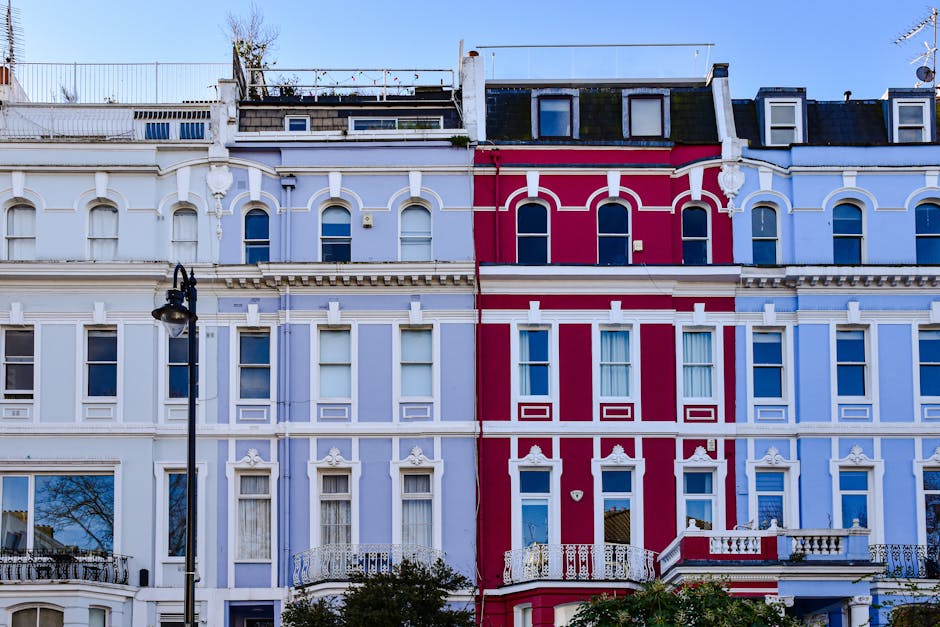
Protect Victorian Terraces During a Holloway Move
Moving out of a Victorian terrace in Holloway can feel a bit like threading a sofa through a postcard. The stairs are narrow, the banisters are often original, and one careless corner can mark plaster, dent a skirting board, or chip a doorway you did not even notice until later. If you want to protect Victorian terraces during a Holloway move, the answer is rarely brute force. It is planning, the right protection, and a crew that understands how older London homes behave under pressure.
That matters whether you are leaving a top-floor maisonette, a family terrace with a tiny hallway, or a period property with awkward steps and delicate finishes. In this guide, you will find practical ways to protect walls, floors, stairs, doors, and the moving team itself. We will also look at the best methods, common mistakes, and when it makes sense to use a service such as home moves or house removalists for a more controlled move.
Truth be told, Victorian terraces are beautiful but unforgiving. One scuffed runner or over-heavy wardrobe can turn an ordinary moving day into a long apology. Let's avoid that.
Table of Contents
- Why Protect Victorian Terraces During a Holloway Move Matters
- How Protect Victorian Terraces During a Holloway Move Works
- Key Benefits and Practical Advantages
- Who This Is For and When It Makes Sense
- Step-by-Step Guidance
- Expert Tips for Better Results
- Common Mistakes to Avoid
- Tools, Resources and Recommendations
- Law, Compliance, Standards, or Best Practice
- Options, Methods, or Comparison Table
- Case Study or Real-World Example
- Practical Checklist
- Conclusion
- Frequently Asked Questions
Why Protect Victorian Terraces During a Holloway Move Matters
Victorian terraces are often full of character, but that character comes with physical quirks. Staircases can be steep and tight, doors may not open wide enough for large furniture, and original plaster can chip if a mattress brushes the wall at the wrong angle. In Holloway, where many homes were built long before modern furniture sizing became a concern, those details matter even more.
Protecting the property is not just about being careful. It is about avoiding avoidable costs, delays, friction with neighbours, and the sort of damage that can linger in your mind long after the boxes are unpacked. A tiny scrape on a hallway wall is easy to dismiss in the moment; a cracked stair edge or split banister is less easy, especially if the landlord or buyer is doing a handover the same afternoon.
There is also the emotional side. People often underestimate how stressful it feels to move through a home that has narrow landings, squeaky floorboards, and low light in the hallway. You are already juggling keys, paperwork, the kettle, and maybe a child asking where the toaster is. The last thing you want is a panic about a gouge in the paintwork.
In practical terms, protecting Victorian terraces means reducing friction at every touchpoint: the front step, the hallway, the stair turns, the skirting, the door frames, and the exit path to the van. That is where good packing, good handling, and the right equipment pay off.
How Protect Victorian Terraces During a Holloway Move Works
The basic idea is simple: create layers of protection before anything bulky starts moving. If you picture the move as a route, every section of that route needs to be checked and softened. The front path, the threshold, internal corners, banisters, and floors all need attention before the first box comes through.
Most safe moves in a Victorian terrace follow the same logic:
- Measure problem areas before move day.
- Clear walking routes and remove trip hazards.
- Protect floors, corners, and door edges.
- Wrap furniture and secure fragile parts.
- Move larger items in the correct order, not the convenient one.
- Keep one person responsible for spotting hazards during the move.
That sounds straightforward, and it usually is, but the details decide whether the day feels calm or chaotic. For example, a wardrobe can often be moved safely only if you remove its shelves, secure the doors, and rotate it on the landing before trying to descend the stairs. Without that prep, the wardrobe becomes a moving obstacle rather than a moving item.
If you are using a professional team, ask how they handle older properties. Good movers should know how to protect a property with carpet runners, door guards, blankets, and careful sequencing. Some moves suit a smaller vehicle and a more nimble setup, which is where a man and van style service can be useful. Bigger jobs may need a moving truck or even removal truck hire if access and load size demand it.
A decent move is rarely about speed alone. It is about sequence, balance, and not forcing a bad angle just because the clock is ticking. You can almost hear the difference: safe moves are quieter, with less thudding and less scraping. That is a good sign.
Key Benefits and Practical Advantages
Protecting a Victorian terrace during a move gives you more than just peace of mind. It improves the whole moving process, from loading to final inspection.
- Less damage to original features: Victorian homes often have plastered walls, mouldings, stair nosings, and timber details that are harder to replace neatly than modern finishes.
- Faster, cleaner handover: If you are leaving a rental or selling, fewer marks mean less time spent arguing over wear and tear versus damage.
- Safer handling of furniture: Protection systems often make items easier to grip and move without slipping or snagging.
- Reduced stress on the day: When the route is prepared, everyone works with fewer interruptions.
- Better use of space: In narrow terraces, careful staging prevents bottlenecks on landings and in hallways.
There is a commercial angle too. If you are comparing services, the difference between a rough move and a controlled move is often visible in the details. A team that offers packing and unpacking services can reduce mistakes before they happen, especially if your belongings are awkward, fragile, or unusually heavy.
And yes, the benefit can be surprisingly practical. Better protection means you may spend less time cleaning up dust, marks, and torn packaging afterward. Nobody ever says, "I wish we had less bubble wrap," do they?
Who This Is For and When It Makes Sense
This approach makes sense for anyone moving from or into a Victorian terrace, but it is especially relevant if your property has any of the following:
- narrow stairs or a steep staircase
- tight doorways and small hallways
- original flooring, plaster, or woodwork
- large furniture in relation to room size
- limited roadside loading space outside
- shared access with neighbours, such as a side return or communal path
It also makes sense if you are moving with children, pets, or older family members in the property, because the room for error becomes even smaller. A hallway full of boxes can be manageable in a newer home; in a Victorian terrace, it can become a proper bottleneck.
If your move is on the smaller side, a flexible service like man with van can suit a few rooms of furniture and boxes. If you are moving a full house and need careful handling, home moves or house removalists is usually the more sensible route. For business owners using a terrace as a studio, clinic, or office, you may want to look at commercial moves or office relocation services if the move includes work equipment.
In other words, match the method to the property. That sounds obvious, but people skip it more often than you might think.
Step-by-Step Guidance
Here is a practical way to protect your terrace from the first hour of moving day to the last box out of the door.
1. Walk the route first
Start at the front gate or front door and walk the exact route every heavy item will take. Note the narrowest point, the most fragile wall, the sharpest corner, and any loose flooring. In old houses, one step can be a little more worn than the rest. That is the step you pay attention to.
2. Clear the staircase and hallway completely
Even a single pair of shoes can become a trip hazard on a narrow landing. Move doormats, umbrellas, plant pots, and coat stands out of the way. If you have a tiny entryway, stage them in a room that is already empty. Keep exits clear, always.
3. Protect floors before anything else
Use floor protection suited to the surface. Carpet runners help in hallways and stairs. Hard-floor protection prevents scuffs and scratches from packed boxes or trolley wheels. If the floor is original timber, treat it with extra care; those boards can mark faster than people expect.
4. Add guards to corners, banisters, and door frames
Victorian terraces often have corners that catch furniture at exactly the wrong height. Padding the corners and wrapping the banister where people naturally turn is a small job that prevents big damage. Door frame guards are especially useful where wardrobes, bed frames, and sofas need to pivot.
5. Pack furniture for the building, not just the item
It is not enough to protect the sofa itself. Ask whether the sofa can actually turn through the landing. Can the bed base bend? Can a wardrobe be dismantled? These questions matter because a well-packed item still causes damage if it is too large for the staircase.
6. Load bulky items first, but only after the route is safe
Once the route is protected, move the heaviest items in a controlled order. Usually that means bed frames, wardrobes, appliances, and large tables before the smaller boxes. It sounds less tidy on paper, but in reality it keeps the move moving. A sensible loading sequence saves time.
7. Do a slow final walk-through
Before leaving, check walls, hinges, stair edges, and floor runners. Look for fresh marks while the move is still active. A tiny issue spotted early is much easier to sort out than one discovered two days later when everyone has gone home and the light is poor.
If you are arranging support, you can also compare price and scope through pricing and quotes before deciding which level of help you need. For many people, that clarity is worth more than saving a few minutes on the day.
Expert Tips for Better Results
Here are the little things that make a big difference. Not glamorous, but very effective.
- Disassemble early: Take apart beds, shelves, and tables the night before if possible. The less assembly on moving morning, the better.
- Use consistent labels: Mark boxes by room and priority. "Kitchen - first open" works better than four variations of "misc."
- Protect the corners you do not notice: The bottom corner of a hallway wall is often the one that gets clipped by a mattress or chair leg.
- Assign one route guide: One person should watch the path and call out tight turns. Too many voices can be oddly confusing.
- Keep a dust cloth handy: Victorian homes can have old dust in skirting gaps and behind radiators. A quick wipe can stop grit scratching surfaces as items move across them.
- Plan for street parking and loading space early: Even the safest interior move can fall apart if the van cannot stop close enough to the house.
A quick human note: I have seen more than one move slowed down by a single mirror propped "just for a second" against a stair rail. Just for a second, of course. Then someone nudges it. Then everyone freezes. Best not.
If you need extra help moving heavier items out of tight spaces, a team offering furniture pick up can be useful when the job is about getting specific items out cleanly rather than moving everything in one go. That can be especially practical if you are decluttering before a bigger house move.
Common Mistakes to Avoid
Most moving damage is not dramatic. It comes from small, repeated errors. A bit of rushing here, a poorly judged turn there, and suddenly there is a scrape on the wall and a chipped stair edge.
Forcing furniture through without measuring
This is the classic mistake. People assume that if a wardrobe fit into a room, it will leave the room. Not necessarily. Measure doors, landings, stair turns, and ceiling height before you start.
Skipping floor protection because "we'll be careful"
Careful is good. Protection is better. A floor runner is not an insult to your caution; it is insurance against gravity and awkward angles.
Ignoring the outside approach
Victorian terraces often have limited front steps, narrow pavements, or uneven paving slabs. If the outside route is poor, furniture gets bumped before it even reaches the hallway.
Leaving fragile items in open boxes
Open boxes shift. When they shift, they tip. Pack breakables securely and mark them clearly. That sounds basic because it is basic.
Trying to move too many things at once
One large item and one spotter is better than three half-balanced loads and a very tense staircase. Slow is not always slow, by the way. Often it is just the quickest safe method.
Another mistake is forgetting the business side of the move: insurance, payment terms, and what the service includes. If you are arranging support, it is worth checking insurance and safety and terms and conditions so expectations are clear before the first box is lifted.
Tools, Resources and Recommendations
You do not need a warehouse of specialist gear, but the right basics help enormously.
| Tool or Resource | Why It Helps | Best Used For |
|---|---|---|
| Floor runners | Protects carpets and timber from dirt and scuffs | Hallways, stairs, and high-traffic routes |
| Doorframe protectors | Reduces chips and scrapes at narrow points | Bedroom doors, landings, front door exits |
| Furniture blankets | Cushions corners and prevents knocks | Sofas, wardrobes, tables, and appliances |
| Strong tape and stretch wrap | Secures loose parts and keeps drawers shut | Flat-pack furniture, shelving, and cabinet doors |
| Label sets and marker pens | Makes unloading quicker and less chaotic | Box sorting and room staging |
| Measuring tape | Helps avoid failed turns and stuck items | Large furniture and tight staircases |
If you are unsure how much equipment or vehicle space you actually need, compare with moving truck options or speak to the team through contact us. A short conversation often saves a lot of guesswork. Useful, really.
For people who are clearing out rather than moving everything, recycling and sustainability can be a helpful page to check so unwanted items are handled responsibly rather than left to pile up in the front room for another week. We have all been there, and it is never a good look.
Law, Compliance, Standards, or Best Practice
For most homeowners and tenants, the main compliance issues around moving are practical rather than legal: access, safety, and avoiding damage. That said, good practice still matters. If you live in a rental property, check your tenancy agreement and take a careful inventory of existing marks before moving day. If you are selling, record the condition of the property so there is a fair reference point at handover.
In London, loading space, neighbour access, and keeping shared areas clear are not minor details. They are part of a respectful move. Blocking a narrow pavement, leaving debris in a hallway, or dragging items across common areas can create problems quickly. The rule of thumb is simple: keep routes clear, keep people safe, and leave the property in the condition you found it, minus normal wear and tear.
Professional movers should also work with sensible handling, safe lifting, and adequate insurance cover. You do not need to know every technical detail, but you should feel comfortable asking how a company manages risk, handles damage claims, and protects customer property. If a service cannot explain that clearly, that is a red flag. A quiet one, maybe, but still a flag.
It is also reasonable to ask about health and safety procedures, especially where stairs are steep or items are heavy. A company that takes this seriously will usually be happy to explain its approach. You can also review health and safety policy information if you want a better sense of how the work is approached in practice.
Options, Methods, or Comparison Table
Not every terrace move needs the same level of support. The right method depends on how much you are moving, how awkward the access is, and how much risk you want to absorb yourself.
| Method | Best For | Pros | Trade-Offs |
|---|---|---|---|
| Self-move with hired vehicle | Small loads, confident packers, simple access | Flexible, budget-conscious | More physical work and more chance of damage if underprepared |
| Man and van | Medium loads, quick relocations, a few bulky items | Efficient and adaptable | Less ideal for full-house moves with lots of stairs |
| Full home removals team | Complete house moves, fragile homes, tighter schedules | More planning, better handling, less strain on you | Usually more expensive than a very small self-move |
| Packing and moving package | Busy households, delicate items, time-poor movers | Reduced breakages, less stress, faster setup | Not always needed for minimal moves |
If your Victorian terrace has tight internal access, the fully managed option can make more sense than trying to save money with a smaller setup. On the other hand, if you only have a few rooms of possessions and a short distance to cover, a simpler arrangement may be enough. The point is not to overbuy. It is to avoid false economy.
Case Study or Real-World Example
Picture a typical Holloway terrace: two bedrooms upstairs, a narrow staircase, one turn halfway up, and a hallway just wide enough for a small side table. The residents are moving out on a Friday, and the property is being handed back to the landlord the same afternoon. Nothing too dramatic. But the sofa is chunky, the bed frame is solid wood, and the mirror above the stairs has been there long enough to feel part of the house.
Instead of starting with the largest items on a whim, the moving team measures the staircase, pads the banister, puts runners down in the hallway, and removes the bed frame before touching the sofa. The mirror comes down first, not last. Boxes are stacked in the front room so the exit route stays clear. One person watches the turn on the stairs while another controls the angle from below.
The result is not flashy. That is the point. The walls stay clean, the staircase does not catch a scuff, and the move finishes with no mad scramble for touch-up paint. The client can hand back the keys with a bit more confidence and a lot less sighing.
That kind of outcome is normal when the plan is sensible. It is not magic, just good sequencing and care.
Practical Checklist
Use this checklist the day before and on move day itself. It keeps things grounded when the house starts buzzing.
- Measure the main furniture against doorways and stair turns.
- Clear hallways, landings, and front steps.
- Lay floor protection on the main route.
- Pad corners, banisters, and door frames.
- Remove shelves, loose fittings, and detachable parts from furniture.
- Wrap mirrors, glass, and fragile surfaces securely.
- Label boxes by room and priority.
- Keep tools, tape, and scissors in one place.
- Confirm vehicle size and parking access.
- Walk the route once more before loading begins.
- Check for marks or loose debris after the final item leaves.
If you want extra help with the planning side of things, a quick look at about us can help you understand how a removal company approaches the job, and whether its style feels like a good fit for your property. Fit matters. Honestly, it matters a lot.
Get a free quote today and see how much you can save.
Conclusion
To protect Victorian terraces during a Holloway move, you need more than caution. You need a route plan, the right protective materials, careful sequencing, and a move style that respects the building rather than fighting it. Older London homes are full of charm, but they are not forgiving of rushed lifting or poor access planning.
The good news is that with the right preparation, these homes can be moved with very little drama. A clean hallway, protected stairs, properly wrapped furniture, and a calm team make all the difference. The move feels lighter, even if the furniture is heavy. Funny how that works.
If you are planning a move soon, start with the access, then the protection, then the load order. That simple sequence saves time, money, and a fair bit of stress. And when the last box is through the door, you will be glad you took the extra care.
Sometimes the best moving day is the one that leaves only footprints, not scratches.
Frequently Asked Questions
How do I protect Victorian terrace walls during a move?
Use corner protectors, wall padding in narrow hallways, and floor runners so furniture does not swing directly into plasterwork. The key is to protect the turning points, not just the visible straight sections.
What is the best way to move furniture down a narrow Victorian staircase?
Measure first, remove detachable parts, wrap the item properly, and have one person guide the route while another controls the item. If the staircase is especially tight, dismantling furniture is often the safest option.
Do I need professional movers for a Victorian terrace move in Holloway?
Not always, but it is often a sensible choice if you have bulky furniture, steep stairs, or limited parking. A professional team can reduce the chance of damage and usually handles awkward access more efficiently.
Should I use a man and van or a full removals team?
A man and van setup can work well for smaller loads and simpler access. For full-house moves, delicate interiors, or lots of stair carrying, a full removals service is usually the better fit.
What should I put down to protect floors in an old terrace?
Carpet runners or other floor protection suitable to the surface are the usual choice. Use something that stays in place and can handle repeated foot traffic, trolley movement, and dropped packaging debris.
How far in advance should I prepare a Victorian terrace for moving day?
Ideally, start at least a day before. If the property is heavily furnished or the access is tight, two days gives you more breathing room. That extra time can make a surprising difference.
Can a moving company help with packing as well as transport?
Yes. If you want less stress and fewer breakages, a service such as packing and unpacking services can be a practical addition, especially for fragile or awkward items.
What are the biggest risks when moving out of a Victorian terrace?
The main risks are scuffed walls, damaged stair edges, chipped door frames, scratched floors, and dropped furniture. Most of these are caused by tight turns, poor planning, or rushing the load order.
How can I make the move safer for everyone involved?
Keep walkways clear, use proper lifting techniques, avoid overloading boxes, and make sure someone is watching the tight spots. If an item feels too heavy or awkward, stop and rework the plan rather than forcing it.
Is it worth checking insurance before I book a mover?
Yes, absolutely. You should know what is covered and how claims are handled before move day. A company's insurance and safety information should be easy to understand and reassuring.
What if I only need to move a few large items from my terrace?
For a smaller, item-based move, a furniture pick up service can be a neat solution. It is often simpler than arranging a full move for just a sofa, bed, or dining table.
How do I get a price for a Holloway terrace move?
Start by listing what you are moving, the access challenges, and whether you need packing help or a larger vehicle. Then use the company's pricing and quotes information to see what level of service suits your move.